Why Cockroaches Continue Returning After Service in North York
Noticing cockroaches again after a recent service is frustrating, but it isn’t always a sign the service was unsuccessful. In many North York properties, especially apartment condos and multi-unit buildings, the real problem is that cockroaches are tough to get rid of completely without a targeted plan. Their life cycle, concealed nesting behavior, and ability to move through shared walls, shared plumbing, and service chases can make a small surviving population turn into recurring activity.
For property owners and property managers looking for pest control North York, the key is seeing why roaches survive the first round and what conditions let them return. In neighbourhoods around Finch, Sheppard, Yonge, and Downsview, older buildings, basement moisture, and busy common areas can all create ideal conditions for reinfestation. The good news is that with the right mix of inspection, sanitation, moisture management, and exclusion, you can end the cycle.
Why cockroaches survive the first treatment
Cockroaches are designed to hide, reproduce quickly, and endure in difficult conditions. A one-time spray often suppresses visible insects, but it may not reach the harbourage areas where the main population is dwelling. These hidden nests are often in wall voids, under appliances, behind baseboards, and in cracks and crevices around food and water sources.
Another reason they survive is cockroach eggs. Many treatments kill active roaches but do not fully affect egg cases if the product is not designed for that stage of the life cycle. This is where an insect growth regulator can help by stopping development and cutting down future breeding. Without it, eggs laid through oviposition may hatch after the initial service, creating the impression that the treatment “didn’t work.”
It also matters whether the right products were used in the right places. A strong residual insecticide can continue working after application, but it must be paired with roach bait positioned where roaches travel. If there is bait aversion or if the bait is put in the wrong location, the population reduction may be partial.
Finally, sanitation plays a critical role. If there is food residue, grease buildup, or hidden spill zones behind appliances, the insects have reasons to stay. Even a good treatment can be weakened when roaches still have access to food, water, and shelter.
Common reasons roaches come back in North York homes and condos
In North York, roaches often come back because the setting allows them to travel from one place to another. In multi-unit buildings, especially aged towers and mid-rise properties around Yonge and Finch or in buildings near Sheppard, cockroaches can travel through shared walls, utility shafts, and shared plumbing. If one unit has a persistent infestation, nearby units can experience new activity even after they were treated.
Common areas can also lead to recurring problems. Garbage rooms, loading docks, hallways, elevator pits, and service corridors are all part of the building’s shared infrastructure. Roaches can move through these spaces and move into nearby suites, which is why building-wide monitoring is often needed instead of a single-unit approach.
Another major factor is kitchen moisture. In condos and apartments, small leaks under sinks, condensation around dishwashers, and leaky pipes inside walls can produce perfect conditions for roaches. Moisture is a survival resource, so even if food is limited, a damp kitchen or bathroom can keep a population going.
Appliance gaps are also a problem. Roaches hide behind fridges, stoves, and dishwashers where warmth, crumbs, and dark shelter overlap. When combined with clutter or poor access to cleaning areas, these spaces become strong harborage sites.
North York’s older housing stock can make matters worse. Basements in homes near Downsview or older streets around Sheppard may have more cracks, utility penetrations, and damp conditions. In these properties, roaches may enter through entry points you do not see until a closer inspection is done.
Indicators the infestation was not fully eliminated
If roaches are returning, the signs are often easy to miss at first. One of the most noticeable indicators is fresh roach droppings, which may appear like small pepper-shaped specks in drawers, under sinks, or along walls. You may also find egg cases in hidden corners, behind furniture, or near warm appliances.
Nighttime activity is another clue. Cockroaches are nocturnal, so seeing them after lights out or when the kitchen is quiet suggests the population is still present. If you turn on a light and notice them scattering from under baseboards or from behind the fridge, it usually means the infestation was reduced, not eliminated.
A lingering musty odour can also signal a continued problem. Large or long-standing infestations sometimes leave behind a stale smell that comes from droppings, shed skins, and contaminated harbourage areas. That odour may be most intense near cabinets, garbage storage, or damp wall voids.
Other warning signs include repeated sightings in the same area, especially in kitchens, bathrooms, and laundry rooms. If you keep seeing roaches near baseboards, appliance gaps, or around sink plumbing, it often means the source has not been fully addressed. In those cases, the issue is usually not a single stray insect but ongoing infestation pressure from nearby nests or adjacent units.
What pest control North York should include for durable results
Effective pest control North York should be a comprehensive treatment, not just a quick spray. The starting point is a thorough inspection https://oakville-onyt366.fotosdefrases.com/month-by-month-climate-guide-for-oakville-ontario to identify activity, determine species, and assess the extent of the infestation. This matters because German cockroaches and American cockroaches respond differently and often require separate methods.
A proper plan usually includes baiting with well-placed roach bait, especially in kitchens, behind appliances, and near plumbing access points. Baits work best when roaches are actively foraging, so placement and housekeeping both matter. A technician may also use an insect growth regulator to hinder reproduction and lower future breeding potential.
Follow-up treatment is essential. Cockroach control often requires more than one visit because eggs can hatch after the initial service and survivors may avoid some treatment areas. A follow-up allows the technician to check progress, reapply bait, and treat any new activity. It also supports better monitoring of whether the population is actually declining.
Entry point sealing is another important part of lasting results. Sealing around pipes, gaps in cabinets, wall penetrations, and cracks near trim helps with exclusion. Without exclusion, roaches can keep moving in from neighbouring units, basements, or utility spaces.
In apartment buildings and condos, a effective treatment plan may also need coordination with property management. If the issue is connected to shared walls, shared plumbing, or a garbage room source, one suite alone cannot solve it. The right approach reduces contamination across the whole building system.
How to keep cockroaches from reappearing after treatment
After treatment, prevention is what stops the infestation from growing back. Start with careful food storage. Place pantry items airtight, avoid leaving pet food out overnight, and keep dry goods in hard containers when possible. Even small crumbs or open packages can support renewed activity.
Next, focus on leak repair and moisture reduction. Repair dripping taps, under-sink leaks, and sweating pipes quickly. In North York kitchens and bathrooms, moisture control is one of the main long-term defenses, especially where older plumbing or damp basements cause persistent humidity.
Minimize clutter so there are fewer hiding places and less surface area for contamination to collect. Roaches love stacked boxes, paper bags, and crowded storage areas because they create protected harborage areas. In condos and smaller apartments, even a small decluttering effort can make a major difference.
Focus on caulking cracks and sealing gaps around sinks, baseboards, and cabinets. Small openings around cracks and crevices are exactly where roaches move and hide. Sealing these spaces helps with exclusion and makes future inspections simpler.
Ongoing sanitation is just as important. Clean grease around stoves, wipe spills promptly, and empty garbage regularly. In buildings around Finch, Sheppard, and Yonge, shared garbage rooms and service areas can also become sources of contamination, so resident habits and property-level cleaning both count.
Consistent preventive maintenance works best when it covers the whole picture: food, water, shelter, and access. If you remove one or more of those supports, cockroaches have a much harder time establishing a population.
When to call a technician again
If you are still spotting roaches after application, it may be time to call a licensed exterminator again. This is especially important if there is obvious reinfestation, repeated recurring sightings, or signs that the insects are evading the products already used. Some roach populations can show treatment resistance, which means a new bait, approach, or placement strategy may be needed.
You should also book another service if the infestation appears to be spreading between units in an apartment building or condo. In multi-unit buildings, roaches can travel through shared walls, utility openings, and common plumbing lines. If the issue is building-wide, a single suite treatment may only provide brief relief.
Professional reassessment is also advisable if you continue finding roach droppings, fresh egg cases, or roaches during daytime hours. These signs usually mean the population is still present. A technician can recheck harbourage areas, confirm whether bait is being consumed, and adjust the plan for better population reduction.
In short, if the problem reappears after treatment, do not assume you need more of the same. You may need a thorougher inspection, better exclusion, different products, or a more coordinated follow-up strategy that addresses the source of the problem rather than just the visible insects.
Common questions: Roach treatment and prevention in North York
How much time does it take to get rid of cockroaches entirely?
The control timeline depends on the size of the infestation, the species involved, and the building conditions. Light activity may improve rapidly, but more severe cases in North York condos or older homes can take more than one visit. Because cockroach eggs can hatch after the first treatment, complete control often requires follow-up visits, inspection, and ongoing sanitation.
Why do they reappear even after spraying?
Spraying alone may not reach all hidden nests or nesting areas, especially behind baseboards, inside wall voids, or around gaps around appliances. Roaches may also return from neighbouring units through shared walls and connected plumbing. If moisture, clutter, or food residue remains, the environment can support new activity even after the spray dries.
Do roach eggs survive pest control treatments?
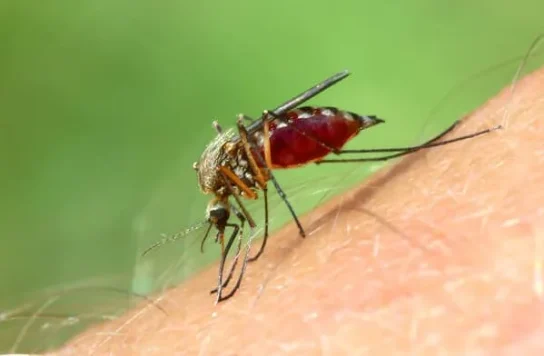
Yes, egg clusters and oothecae can sometimes survive initial treatments depending on the products used and where they were applied. That is why an IGR and a planned follow-up treatment are so important. They help interrupt the life cycle before newly hatched roaches can rebuild the infestation.
What should I do after pest control North York services to stop roaches from coming back?
After pest control North York services, focus on proper food storage, repairing leaks, reducing clutter, and caulking cracks. Keep your kitchen clean, remove leftover food and grease buildup, and reduce kitchen moisture wherever possible. Good hygiene and moisture control help protect the treatment and reduce the chance of reinfestation.
When should I arrange a follow-up treatment for cockroaches?
You should book a follow-up treatment if you still spot live roaches, discover fresh droppings, or notice new activity after the original service. Return visits are also necessary in multi-unit buildings where recurring activity can stem from adjacent suites or common areas. If there is any sign of resistance or building-wide spread, a professional reassessment should take place as soon as possible.