Commercial Pest Services in North York for Businesses
What Makes Commercial Pest Management Matters in North York
Business pest control is not just a reactive service for North York businesses; it is a key part of safeguarding operations, customers, staff, and reputation. In a high-traffic part of the city like North York, where commercial plazas, high-rise office space, retail corridors, and mixed-use buildings sit close together, pest activity can spread quickly from one property to another. That renders pest control North York companies provide especially important for day-to-day business continuity.
For commercial properties, even a small infestation can turn into lost inventory, disrupted service, complaints, failed inspections, and long-term brand damage. Businesses also have a duty to maintain health and safety for workers and customers, and that means taking pest risks seriously before they become visible problems. A proactive program lowers risk and supports consistent food safety, cleanliness, and operational reliability.
In many cases, pest issues are not just about the pests themselves. They indicate conditions that attract them, such as poor sanitation standards, unsealed entry points, hidden harborage areas, or gaps in waste handling. Addressing those conditions through commercial pest prevention is the best way to build long-term risk reduction into a business.
Common Problems Threatening North York Business Buildings
Various sites face multiple pest concerns, but four of the most common concerns in North York are mice and rats, cockroach infestations, ant colonies, and bed bug issues. According to the kind of business, wasp management may also be necessary, especially around doorways, terraces, waste areas, and loading docks during the warmer season.
Rodent control is one of the most common required services in commercial properties because mice and rats can move through narrow cracks in the building envelope, utility entry points, loading areas, and maintenance hallways. They often follow hidden routes near kitchens, stock rooms, and waste rooms, especially where food or shelter is available.

Cockroach management is a serious concern in food-service spaces, shared buildings, and anywhere heated, moist conditions occur. Cockroaches can spread quickly through walls and shared utility lines, making early pest checks and monitoring vital.
Control of ants becomes necessary when colonies are established near foundations, landscaping, break rooms, or kitchen prep areas. Ants often get in through tiny gaps and can be difficult to manage without a targeted bespoke treatment strategy.
Bed bug treatment is especially relevant for offices with shared furniture, clinics, hospitality-adjacent buildings, and properties that experience frequent visitor traffic. Bed bugs are not linked to cleanliness alone; they move by transfer and can affect commercial spaces that host clients, employees, or tenants.
Since pest pressure shifts by season and property type, commercial operators should think in terms of an ongoing monitoring plan rather than isolated treatment. That approach helps identify issues early and helps stop an issue before it affects operations.
Sectors In Need of Pest Control in North York
While every commercial property can benefit from prevention, some industries need pest control more immediately than others. In North York, the most vulnerable environments often include restaurants, retail stores, office buildings, and warehouses. These properties have varied vulnerabilities, but they all share one thing: steady public or employee traffic that provides little room for pest-driven disruptions.
Dining businesses need to safeguard https://brampton-onoi784.lumenforgex.com/posts/are-pest-control-treatments-safe-for-inside-spaces-in-north-york food preparation areas, stock rooms, dining areas, and trash disposal zones. In these settings, cleanliness and regulatory compliance are strongly connected to pest management. Even one a small issue can trigger reports or inspections.
Retail stores need discreet protection to preserve inventory condition and customer trust. Rodents, roaches, and pantry pests can spoil inventory and leave visible signs that erode confidence in the business.
Commercial buildings along with corporate towers may seem less risky, but communal kitchens, subterranean parking, mail rooms, and waste areas can all encourage pest presence. Within multi-tenant properties, one tenant’s issue can become a building-wide concern, so coordination with the property manager is essential.
Storage facilities are particularly vulnerable because of extensive storage capacity, regular drop-offs, and access through loading bays. Such locations often need a strong monitoring program, frequent inspection, and practical prevention work to shield inventory and dispatch zones.
For companies near Yonge and Sheppard, Finch Avenue, or the North York Centre corridor, vehicle activity, close-by dining spots, and mixed-use developments can increase risk. That area context makes pest management a useful business service, not just a routine extra.
Warning Signs For Your Organization Requires Expert Pest Control
Many business pest problems grow easier to manage when they are noticed quickly. The alert signs are often subtle at first, but they should not be ignored. Frequent indicators include droppings in supply rooms, near equipment, along walls, or near dumpsters. For rodent issues, gnaw marks on packaging, wiring, or structural materials are another indicator.
Company owners and managers should also watch for property damage such as damaged insulation, damaged boxes, stained ceilings, torn packaging, or nesting material in hidden spaces. In some cases, an foul odor can suggest rodent activity, dead pests, or a hidden infestation in wall voids or storage areas.
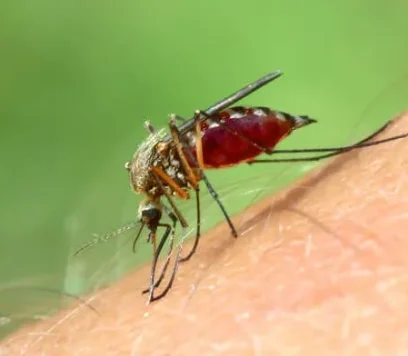
Further signs include customer complaints, staff reports of seeing pests during business hours, or recurring issues that come back after basic cleanup. If these patterns appear, the problem is often larger than a surface-level nuisance. It may require professional pest inspection, rodent control, cockroach control, or another targeted service.
Companies should not wait until the issue becomes obvious. The sooner a pest is identified, the easier it is to limit spread, reduce downtime, and protect health and safety. A timely response also supports better compliance with Toronto and Ontario expectations for property maintenance and safe operation.
Evaluation and Integrated Pest Management for Businesses
Proper commercial pest control commences with a detailed assessment. A trained technician looks at the outer areas and inside of the property, spots signs of rodent activity or insect pressure, and evaluates conditions that may be contributing to the problem. This includes waste areas, kitchens, utility rooms, ceiling voids, storage locations, and any possible access routes through the structure.
Integrated pest management is the preferred approach for business settings because it prioritizes long-term control rather than repeated emergency treatment. It combines tracking, identification, prevention, and targeted intervention to reduce pest activity while supporting ongoing operations. This approach is especially valuable in busy commercial settings where discreet service matters.
A strong IPM plan typically includes a review of the building envelope, because pests often enter through cracks, gaps, and weak points around doors, vents, pipes, and service lines. Technicians may recommend blocking work to seal gaps and block access before the problem worsens.
Monitoring tools such as monitoring devices can be installed in strategic areas to follow movement and spot trends over time. This data helps businesses and technicians make better decisions and fine-tune the service schedule. For many properties, the goal is not just immediate removal, but ongoing proactive maintenance that keeps the site protected across changing seasons.
In a commercial environment, IPM also supports better communication with property management, tenants, cleaning crews, and maintenance staff. That coordination is often the difference between short-term relief and real long-term protection.
Industrial Pest Control Choices
Once a pest issue is identified, treatment should match the pest type, the property layout, and the level of risk. Typical tools include bait stations, catch devices, and targeted safe solutions designed for commercial spaces. The right mix depends on whether the concern is rodents, cockroaches, ants, or another pest.
Bait stations are often used for rodent control in outside boundaries, service corridors, and other strategic locations. They help reduce activity without disrupting business operations. For interior rodent issues, catch devices can be placed where there is evidence of travel or nesting, especially in storage rooms, basements, and utility spaces.
For insect problems, cockroach control and ant control often rely on a combination of baiting, non-chemical corrections, and habitat changes. In commercial kitchens and food service sites, hygiene is just as important as the treatment itself because crumbs, grease, moisture, and clutter all support pest survival.
Bed bug management may involve focused inspections, containment steps, and a tailored response that reduces spread across occupied units or work areas. Wasp management often requires exterior treatment and nest removal planning, especially around loading doors, rooflines, and patio areas during summer.
In every case, the best outcomes come from a custom treatment plan, not a generic spray-and-leave visit. Commercial properties in North York need solutions that fit business hours, tenant needs, and safety expectations while keeping disruption to a minimum.
Preventive pest prevention for Extended Protection
Sustained success depends on prevention. A trusted program should include maintenance plans that promote consistent checks, observation, and remedial work throughout the year. That is the most reliable way to shield commercial operations from weather changes, construction activity nearby, and changing pest pressure across the GTA.
A key of the most important preventive steps is controlling access points. Pests often exploit small cracks around doors, utility penetrations, vents, and loading areas. If a business can keep these areas sealed and maintained, it strongly improves resistance to recurring infestations.
Waste management is another key factor. Overflowing dumpsters, open bins, and unclean disposal areas attract rodents, flies, and other pests. Commercial operators should keep waste areas tidy, covered, and separated from food handling zones whenever possible.
Moisture control matters too, especially in kitchens, washrooms, basements, and stockrooms. Moisture creates promising conditions for cockroaches, ants, and other pests that thrive in damp environments. Reducing moisture through repairs, ventilation, and routine maintenance supports improved sanitation and reduced pest risk.
Good prevention is a combination of preventative steps, staff awareness, and recurring service. It should fit the property’s layout, hours of operation, and compliance needs. For businesses seeking dependable commercial pest management, the goal is always the same: reduced surprises, fewer disruptions, and stronger day-to-day control.
Why Nearby North York Pest Control Expertise Matters
Local insight creates a real advantage in business pest management. North York is not the same as a spread-out neighborhood or a standalone industrial zone. It falls within Toronto, where building concentration, transit access, shared walls, and mixed-use developments all contribute to pest movement between properties. That is why local expertise matters for both inspections and treatment planning.
North York’s tight mix of high-rise office buildings, retail plazas, and multi-unit commercial properties increases pest pressure in ways that are easy to miss. In areas such as North York Centre, Yonge and Sheppard, and along Finch Avenue, pests can move through connected spaces, waste rooms, underground service areas, and adjacent units with surprising speed. A technician who knows this environment can better anticipate problem routes and weak points.
Seasonal changes in the GTA also affect service needs. Colder months often bring increased rodent intrusion as pests seek warmth and shelter indoors. In summer, wasp activity spikes, especially around entrances, patios, rooftop spaces, and bins. This seasonal pest pressure means businesses need a schedule that changes over time, not a one-time treatment that ignores the next season’s risks.
Toronto and Ontario food-handling and property maintenance standards make preventive pest control especially important for commercial operators. A local provider that is familiar with those expectations can help businesses stay aligned with operational requirements while keeping service low-profile and practical.
Choosing a Commercial Pest Control Company in North York
Selecting the right provider for pest control North York businesses depend on means looking beyond price alone. Commercial clients need a company with the right credentials, the right process, and the right understanding of business operations. The best fit will bring licensed technicians, proven commercial experience, and the ability to work around your schedule with minimal disruption.
Inquire whether the company offers clear service guarantees and whether they develop a custom treatment plan based on the property type, pest issue, and compliance requirements. A strong provider should outline how they approach pest inspection, exclusion, follow-up monitoring devices, and ongoing maintenance plans.
For businesses with public-facing operations, response times matter just as much as technical skill. A fast response can stop a small issue from becoming a larger interruption. That is especially important in restaurants, retail businesses, and office towers where customer experience and tenant satisfaction are part of daily operations.
It is also worth asking how the company handles commercial pest control in sensitive environments. The ideal provider will offer discreet service, understand health and safety expectations, and be comfortable coordinating with property management, cleaning staff, and site supervisors. They should also be familiar with Ontario regulations that affect commercial property maintenance and food-related environments.
In short, the right partner should not just remove pests. They should help your business build a stable prevention strategy that supports food safety, compliance, and long-term protection.
FAQ
How often should a business in North York schedule pest control?
Many businesses do well with a recurring service schedule rather than a one-time visit. The right frequency depends on the property type, pest history, and risk level. Restaurants, warehouses, and multi-tenant properties often need more frequent inspections and monitoring than lower-risk office spaces.
What pests are most common in commercial buildings in North York?
The most common concerns include rodents, cockroaches, ants, and bed bugs. In warmer months, wasps can also become an issue around entrances and waste areas. The exact risk depends on the building layout, sanitation practices, and nearby activity.
Is commercial pest control safe for restaurants and food-handling businesses?
Absolutely, when it is handled carefully. Commercial pest control for food environments should prioritize safe treatments, sanitation, monitoring, and exclusion. A qualified provider will work closely to support food safety and health code compliance while limiting disruption.
What should I do if I spot rodents or cockroaches in my building?
Respond promptly and arrange a professional pest inspection. Record where you saw the activity, notify property management if needed, and cut down on access to food and waste sources. Early action can reduce spread and decrease the chance of a larger infestation.
How do I choose the best pest control company in North York?
Seek out licensed technicians, commercial experience, clear service guarantees, and strong response times. The best company should be familiar with North York commercial properties, provide discreet service, and offer prevention-focused solutions such as integrated pest management, exclusion, and ongoing monitoring.